Discovering the power of the "Mud of Mt. Fuji"
1962

Discovering the Power of "Mud of Mt. Fuji"

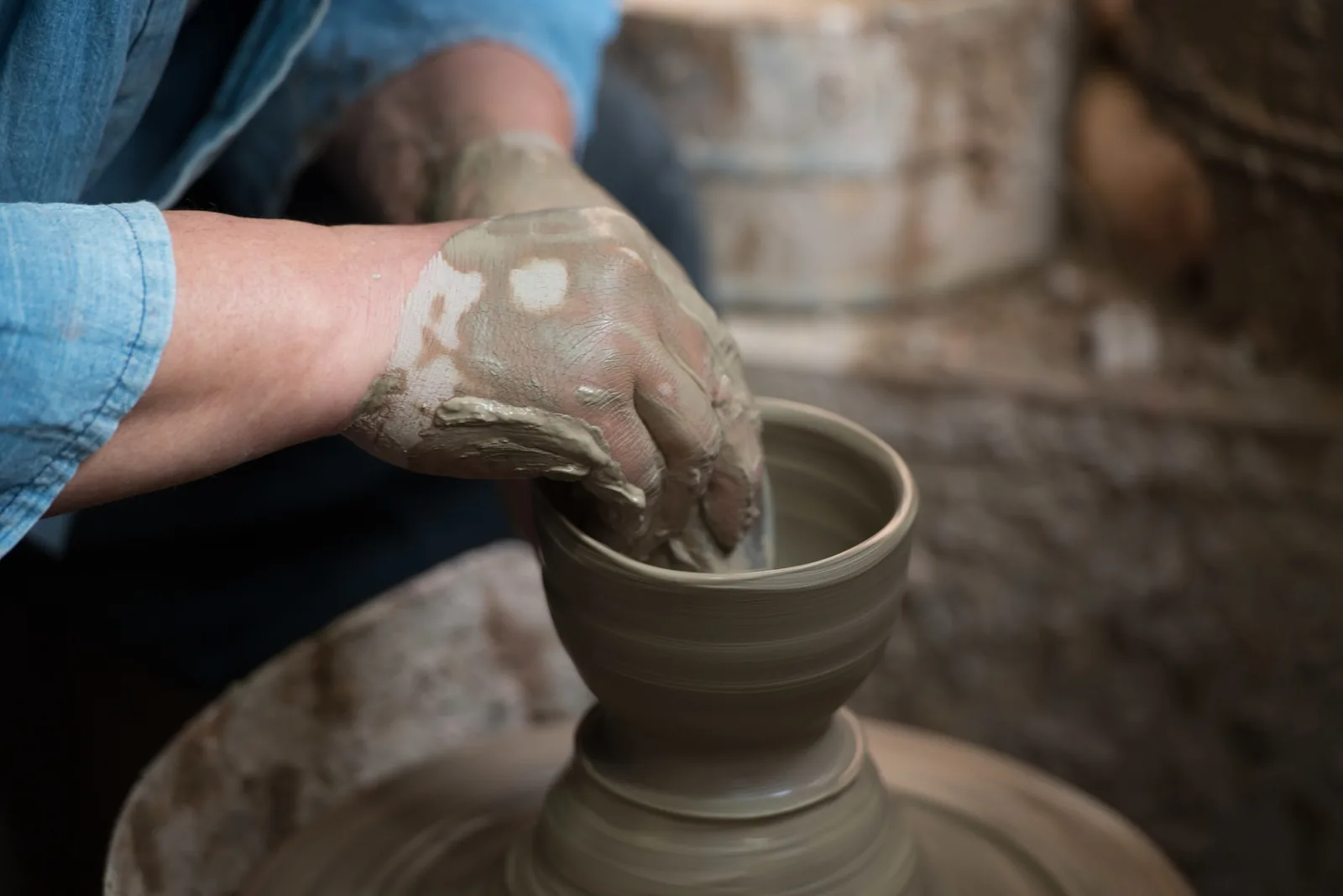
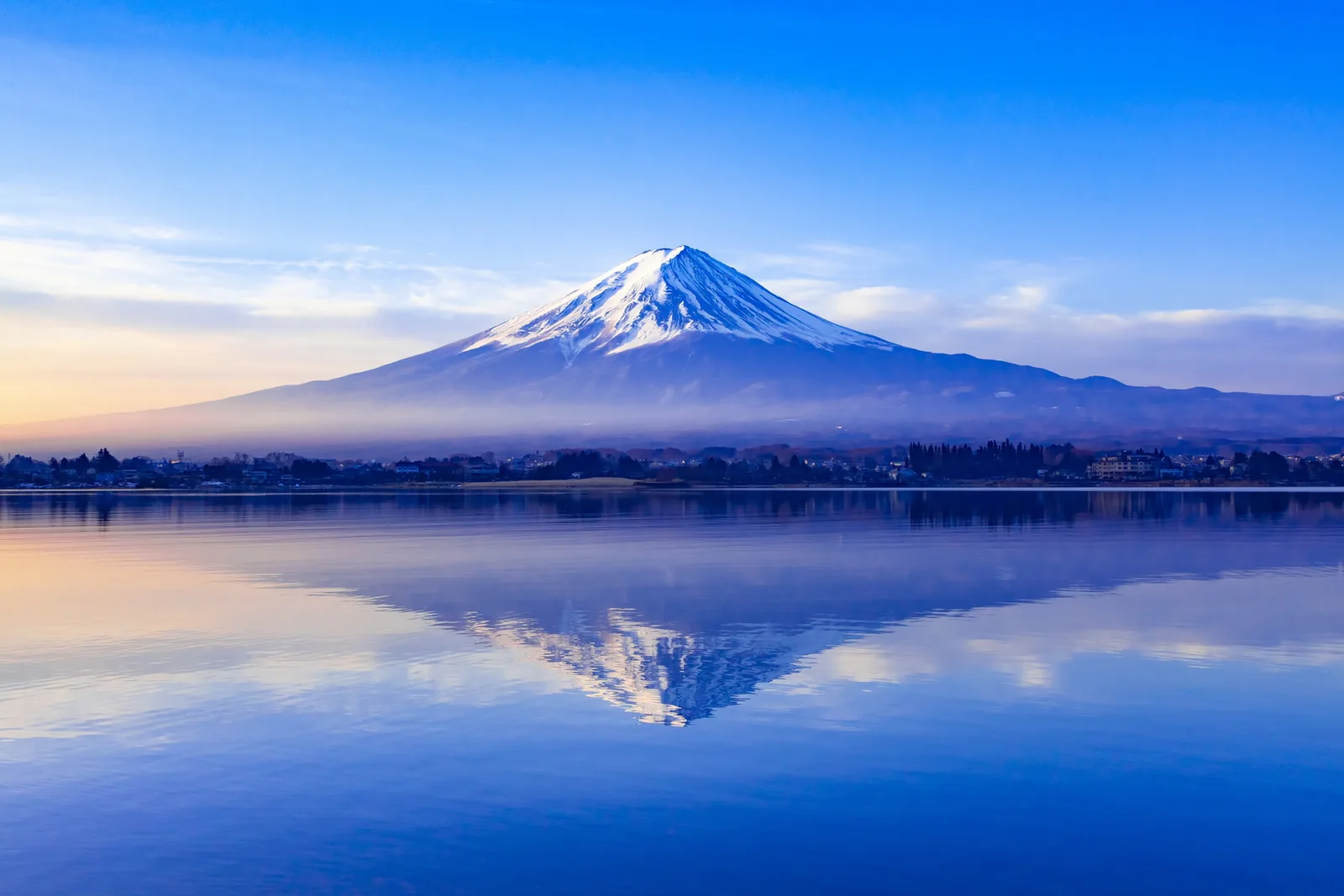
In 1962, potter Hidetoshi Hosokawa was drawn to the soil of Mt. Fuji and moved from Kyoto to Narusawa Village, at the mountain's foot in Yamanashi Prefecture. Before long, he noticed that his hands — once rough and chapped from years of working clay in Kyoto — had become smooth, and that his chilblains and cracked skin had healed, despite the region's high, cold climate. Drawn to the power of the mud from Narusawa Village that he had originally used as pottery material, Hosokawa discovered that bathing in it also seemed effective against neuralgia and poor circulation. The following year, with the cooperation of the Yamanashi Pharmaceutical Association and local hospitals, a full-scale investigation into the "Mud of Mt. Fuji" began.

"Mud of Mt. Fuji" receives quasi-drug approval
1972

"Mud of Mt. Fuji" Receives Quasi-Drug Approval

Afterward, the Central Institute of Hot Springs Research analyzed its composition and screened for harmful substances, building on repeated academic study and testing. Clinical trials were conducted mainly among expectant mothers and newborns in medical settings, demonstrating the effectiveness of "Mud of Mt. Fuji" on skin cells. On October 5, 1972, it was approved by the Ministry of Health and Welfare (now the Ministry of Health, Labour and Welfare) as a medicated bath additive and quasi-drug (approval number 47D-No. 287).

Medicated bath additive "HIJIRIKO"
1973

Launched as the Medicated Bath Additive "HIJIRIKO"

For commercialization, the company worked with local dignitaries and businesses to carefully select high-quality mud from the mining site at the foot of Mt. Fuji in Narusawa Village. The mud was crushed and powdered at a factory in Oshino Village, filtered with groundwater from the foot of Mt. Fuji, then sterilized and cooled for a full day at 150°C. After refining it into a 250-mesh powder, the company succeeded in packaging it for sale. In March 1973, it launched as the medicated bath additive "HIJIRIKO," and went on to be featured in magazines, on TV and radio, and sold as a limited item at major department stores, becoming a topic of conversation.

HIJIRIKO becomes a cosmetics line
1993 - 1996

HIJIRIKO Becomes a Cosmetics Line

Building on its proven effectiveness as a quasi-drug, and focusing on silica (silicic acid) — the principal natural mineral found in "Mud of Mt. Fuji" — GODAI SANGYO CO., LTD. purchased the entire supply of the raw material in September 1993 and began developing cosmetics. In January 1996, through joint development with a partner factory, the company obtained cosmetics manufacturing approval from the Ministry of Health, Labour and Welfare under the ingredient name "Sacred Mud" (approval number (08C) No. 0188). Since then, we have continued producing the natural HIJIRIKO series, built around the rare advantages of "Mud of Mt. Fuji" and a commitment to beautiful skin above all else.

RARE MATERIAL

Made in Japan, a Rare Material

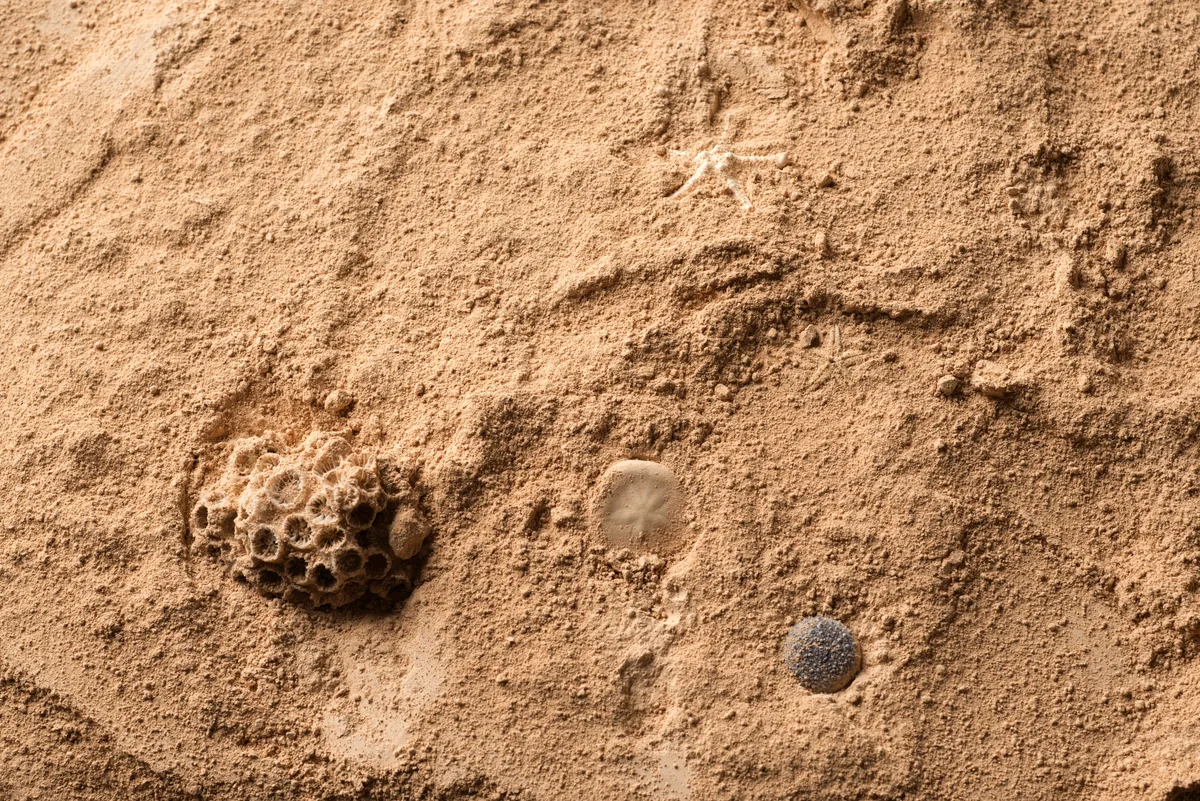
"Mud of Mt. Fuji" is a mineral-rich sediment formed roughly thirty million years ago, when Mt. Fuji's birth eruptions fossilized pristine seabed water along with shellfish, seaweed, and fish. This material was originally mined in limited quantities from a part of Narusawa Village at the foot of Mt. Fuji. The area around this mining site is now designated as part of Fuji-Hakone-Izu National Park, making new mining extremely difficult. The material we carefully preserve today has become extremely precious.

More than half a century after its discovery, we remain committed to delivering the HIJIRIKO series — a natural cosmetics line rich in natural minerals, reborn for a new era.

SILICA

Silica, the Beauty Ingredient

Sacred Fuji mud, source of HIJIRIKO's silica

Silica is now drawing attention as a beauty ingredient, much like collagen. More than twenty years ago, our company began focusing on the naturally derived silica found in "Mud of Mt. Fuji" and has developed products around it ever since. Silica is originally an essential component of healthy skin, found in the skin, nails, hair, and bones, but it decreases with age. As a beauty method for building firm, moisturized skin, it is also used in cosmetic surgery and esthetic salons.

Skin-Beautifying Effect

Enhances the effects of moisturizing ingredients like hyaluronic acid and collagen, working in synergy with other beauty ingredients.

Detoxifying Effect

Silica has strong adsorptive properties, giving it an excellent detoxifying effect.

Antioxidant Power

Silica is also known as silicon in English. Because it resists oxidation in any environment, it is used even in the most delicate applications.

Antibacterial Properties

Its high alkalinity gives it antibacterial and bacteriostatic properties against mold, viruses, and other microbes, helping prevent their growth.

Penetration

It penetrates the skin instantly and can also help nano-size other ingredients to support their absorption.

Cleansing Action

Its adsorptive action, combined with nano-sized crystals, works to clear away dirt and impurities.